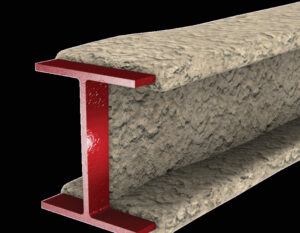
 Fire-resistant materials are fundamental to any effective passive fire protection strategy. In buildings throughout Leeds, these materials help to compartmentalise structures, containing fires within designated zones and preventing them from spreading. Fire-rated walls, ceilings, and floors act as barriers against heat and flames, ensuring that other parts of a building remain protected during an incident.
Common materials used include concrete, fire-rated plasterboard, and fire-resistant glass, each selected based on specific fire resistance ratings outlined in the UK Building Regulations and Approved Document B. These ratings indicate how long each material can withstand fire exposure, typically measured in minutes. Using certified and tested materials ensures consistent performance under real fire conditions, providing reassurance to both building owners and occupants.
Equally important is the correct installation of these components. Even the most advanced fire-resistant materials will underperform if not fitted in accordance with manufacturer guidelines and regulatory standards. In Leeds, where urban density and ongoing development place increased emphasis on building safety, ensuring the quality of both materials and workmanship is paramount.
By incorporating high-performance fire-resistant materials into new builds and retrofits, developers and building managers in Leeds significantly reduce the risk of fire-related structural failure. These materials provide critical time for occupants to evacuate safely and allow firefighters to carry out their duties more effectively, ultimately reducing property damage and saving lives.
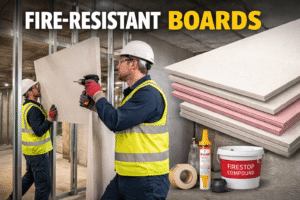 Structural fire resistance ensures a building remains stable when exposed to fire. Key components such as beams, columns, and load-bearing walls must stay intact under high heat to prevent collapse. Passive protection methods include applying fireproof coatings, installing fire-resistant boards, or wrapping structural elements with protective materials. These treatments slow heat transfer and help maintain strength during a fire. Fire resistance is measured in time, commonly 60, 90, or 120 minutes, indicating how long a component can withstand fire conditions. Meeting these ratings is essential for compliance with safety regulations. Preserving structural integrity allows occupants more time to evacuate and provides safer access for emergency teams. If a building’s structure fails early in a fire, the risks of injury, property loss, and response difficulties increase significantly. Ensuring structural fire resistance is a core principle of passive fire protection, safeguarding both lives and infrastructure in the event of an emergency, particularly in buildings throughout Leeds.